
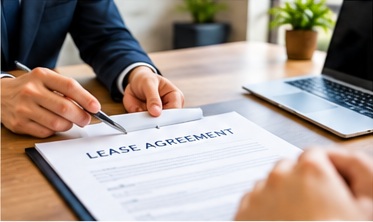
Moving into a rental is exciting, and tenant insurance is rarely the first thing on the checklist. It should be. A burst pipe, a kitchen fire or a theft can cost a tenant thousands of dollars in belongings, and it can leave a landlord in a dispute over who pays for what. Tenant insurance, sometimes called renter’s insurance, is a small monthly cost that protects both sides.
What tenant insurance usually covers
Policies differ, so always read the details, but most include three kinds of protection:
- Personal belongings: furniture, clothing and electronics if they are damaged, destroyed or stolen.
- Personal liability: if you accidentally damage the building or injure a visitor, for example by leaving a tap running or starting a fire while cooking.
- Additional living expenses: help with the cost of temporary accommodation if a covered event makes your unit unlivable.
Why the landlord’s insurance is not enough
A landlord’s policy protects the building and the landlord’s own liability. It does not normally cover a tenant’s belongings, and it is not designed to pay for a tenant’s accidental damage. Without their own policy, tenants carry that risk personally.
Why many landlords require it
- It protects the property. Liability cover can respond when a tenant’s mistake damages the unit or a neighbouring one.
- It reduces disputes. A claim goes through the tenant’s insurer instead of becoming a disagreement between landlord and tenant.
- It signals a responsible tenant. Someone who arranges coverage is usually looking after their home.
At The Address Property Management, proof of tenant insurance is required before move-in, along with confirmation of the utility transfer. You can see the full process on our tenant information page.
Tips for choosing a policy
- Estimate the total value of your belongings before choosing a coverage amount.
- Check the liability limit and the deductible.
- Ask whether valuable items, such as jewellery or bicycles, need extra coverage.
- Make sure your name and the rental address are correct, and keep a copy of your proof of insurance.
- Review the policy every year and update it when you move.
For landlords: make it part of onboarding
Ask for proof before handing over the keys, keep a copy on file, and check at renewal that the policy is still active. Check your lease wording so expectations are clear from day one.
Want a team to handle this for you? Book a free consultation or contact us.